Compare Local Contractors for Smoke Alarm Installation Services
Compare local contractors for smoke alarm installation to define project scope, verify experience, and set clear expectations in writing for a successful job.
Smoke alarm installation services typically involve assessing the property’s layout, selecting appropriate alarm types, and properly mounting the devices to ensure optimal coverage. Contractors often handle tasks such as wiring (where necessary), connecting alarms to existing electrical systems, and configuring the alarms to work effectively within the building’s safety system. Proper installation is essential for reliable operation, and experienced service providers understand the importance of following best practices to ensure alarms are positioned correctly and function as intended in case of an emergency.
Clearly defining the scope of work is a crucial step when hiring contractors for smoke alarm installation. Property owners should specify whether the project involves replacing existing alarms, installing new units in previously unprotected areas, or upgrading the entire system. Outlining details such as the number of alarms needed, the type of devices preferred, and any integration with other safety systems helps ensure that both parties have aligned expectations. Having this information in writing can prevent misunderstandings and provide clarity throughout the process.
When comparing local contractors for smoke alarm installation, property owners should consider their experience and areas of expertise. Verifying that service providers have relevant background in similar projects can help ensure quality results. It’s also beneficial to review how contractors communicate scope, procedures, and expectations prior to starting work. Gathering information about their approach to installation, the types of alarms they recommend, and their methods for ensuring proper coverage can assist in making an informed decision. Using these criteria to compare service providers can lead to a smooth installation process tailored to the specific needs of the property.
Compare local contractors by outlining your project priorities, verifying experience, and setting clear expectations in writing.
- Compare Contractors - Review multiple service providers to find the best match for smoke alarm installation needs.
- Define Scope Clearly - Specify the installation requirements and expectations in writing to ensure clarity.
- Verify Experience - Check the background and track record of local contractors before hiring.
- Set Expectations in Writing - Document the project details to promote transparency and prevent misunderstandings.

Before comparing local contractors for smoke alarm installation, clearly describe your project scope and verify their experience.
- Verify that the service provider has experience installing smoke alarms in residential or commercial settings.
- Ensure that scope of work, including the number and types of alarms, is clearly defined in the contract.
- Check that the contractor follows relevant safety standards and installation guidelines for smoke alarms.
- Compare multiple local contractors to assess their methods and approaches to smoke alarm installation.
- Confirm that the scope and expectations are documented in writing to prevent misunderstandings.
- Review the contractor’s process for testing and ensuring proper operation of installed smoke alarms.
Compare local contractors, verify experience, and clearly define the scope to ensure successful smoke alarm installations.
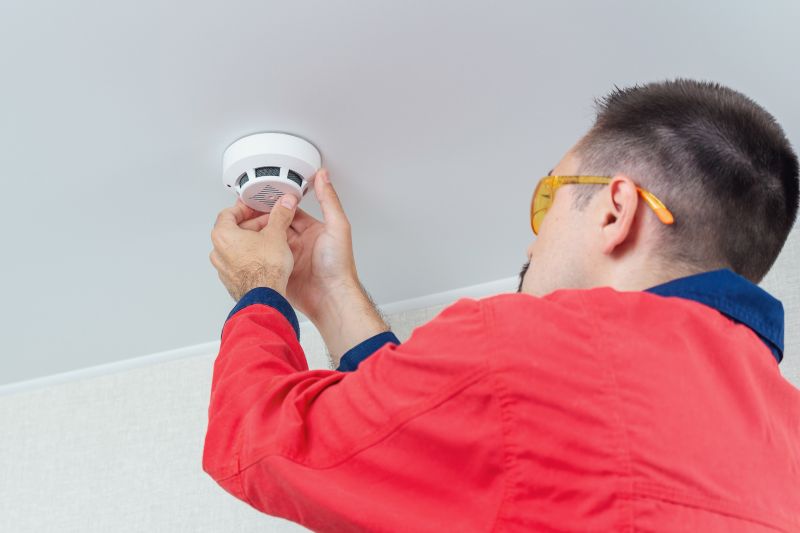
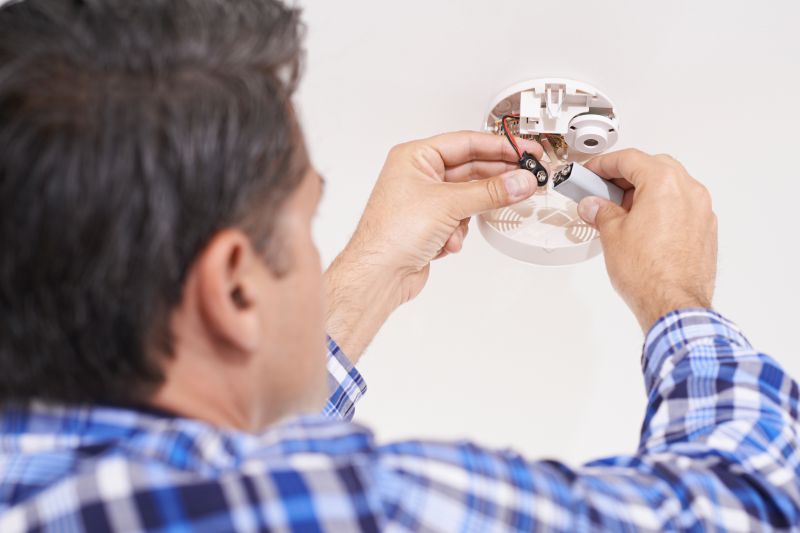

Use consistent criteria to compare local contractors' scope, experience, and written expectations for smoke alarm installation.
- Scope Definition - Clearly outline the specific areas and types of smoke alarms to be installed to ensure comprehensive coverage.
- Experience Verification - Confirm that local contractors have relevant experience with smoke alarm installation and adherence to safety standards.
- Material and Equipment - Specify the required types of smoke alarms and any additional hardware needed for proper installation.
- Installation Standards - Define the installation locations, heights, and configurations to maximize effectiveness and compliance.
- Documentation and Warranties - Ensure that service providers provide detailed work descriptions and warranty information for installed smoke alarms.
When evaluating contractors for smoke alarm installation, it’s important to consider their experience with similar projects. Service providers who have a proven track record working on residential safety systems can often demonstrate familiarity with various types of smoke alarms and installation environments. Asking about previous work can help identify contractors who regularly handle home safety upgrades, ensuring they understand the specific requirements and challenges associated with installing smoke alarms in different areas of a home.
A clear, written scope of work is essential when comparing contractors. This document should outline exactly what is included in the installation process, such as the number of smoke alarms to be installed, the locations where they will be placed, and any additional work involved, like wiring or testing. A detailed scope helps set clear expectations and provides a basis for evaluating the thoroughness and professionalism of each service provider. Avoiding vague descriptions ensures that all parties have a shared understanding of the project’s parameters.
Verifying the basics of how a contractor approaches the installation process can also aid in making an informed choice. This includes understanding their methods for ensuring proper placement, testing procedures, and how they handle safety considerations during installation. While formal licensing or certification are not discussed here, asking about their general approach to quality assurance can provide insight into their commitment to proper installation practices. Service providers should be able to explain their process in straightforward terms to help determine their reliability and attention to detail.
When comparing options, focus on how each contractor communicates their scope and approach. Look for service providers who can provide comprehensive, written descriptions of their work and who are willing to answer questions about their experience and methods. Evaluating how well a contractor articulates their process and demonstrates knowledge can help identify those best suited for the job. It’s important to select a provider who offers clarity and professionalism, ensuring the installation will meet safety standards and expectations without relying on price or scheduling considerations.
Ask contractors to provide written scope details to ensure clear understanding and consistent expectations.
- **Scope of Work Clarification** - What specific tasks are included in the smoke alarm installation service?
- **Experience Verification** - How long have the local contractors been performing smoke alarm installations?
- **Comparison Criteria** - What factors should be used to compare different service providers beyond pricing?
- **Warranty and Guarantees** - Do the contractors offer any written warranties or guarantees for their installation work?
- **Scope of Service in Writing** - Can the details of the installation scope be clearly outlined and agreed upon in a written agreement?
What should I consider when choosing a contractor for smoke alarm installation? It's important to compare local contractors based on their experience, reputation, and the scope of services they offer to ensure the job meets safety standards and your expectations.
How can I verify a contractor's experience with smoke alarm installation? You can review their previous work, ask for references or examples of similar projects, and ensure they understand the specific requirements for your property's smoke detection system.
What details should be included in a written scope of work for smoke alarm installation? The scope should specify the number of alarms to be installed, locations, types of smoke alarms, any additional safety features, and the responsibilities of the contractor to meet your needs.
Why is it important to compare multiple contractors before hiring for smoke alarm installation? Comparing different service providers helps identify those with relevant experience, clear communication, and a comprehensive approach to ensure the installation aligns with safety standards and your expectations.
How can I ensure a contractor understands my specific requirements for smoke alarm installation? Clearly communicate your needs in writing, including the number and placement of alarms, and ask the contractor to confirm their understanding before work begins.
What questions should I ask a contractor before hiring for smoke alarm installation? Inquire about their experience with similar projects, the scope of their services, how they handle safety standards, and how they plan to coordinate the installation process to meet your expectations.
By understanding the key aspects of smoke alarm installation, visitors can better evaluate and compare local contractors to find the right fit for their needs. Focusing on defining the scope of work, verifying experience, and setting clear expectations in writing helps ensure the project proceeds smoothly and meets individual requirements. Utilizing the quote form provides an easy way to explore different options and make informed decisions.
Taking the time to assess and compare service providers can lead to a more confident choice when selecting a contractor for smoke alarm installation. Using the quote form to gather details and clarify scope allows for a straightforward comparison of local options, helping to identify professionals who align with specific project needs and expectations.