Compare Local Contractors for Smoke Detector Replacement Services
Compare local contractors to define the scope, verify experience, and set clear expectations for smoke detector replacement projects.
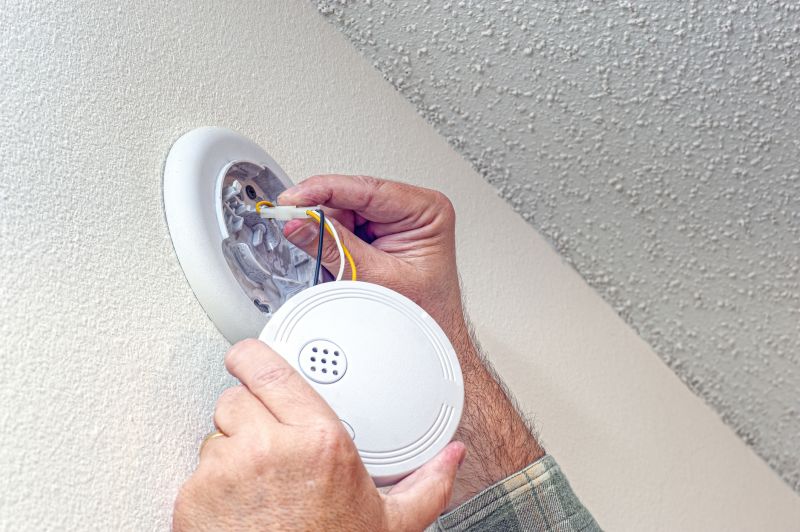
Smoke detector replacement services typically involve removing outdated or malfunctioning detectors and installing new units that meet current safety standards. This work can include assessing existing smoke detection systems, selecting appropriate devices, and ensuring proper installation to maintain effective coverage throughout a property. Depending on the scope, contractors may also handle wiring updates, testing of the new detectors, and ensuring that the installation complies with relevant safety guidelines, providing property owners with peace of mind that their fire safety measures are up to date.
Clearly defining the scope of smoke detector replacement is essential for setting realistic expectations and ensuring the work aligns with safety requirements. A comprehensive scope might specify the number of detectors to be replaced, the types of detectors being installed (such as smoke or combination units), and whether additional upgrades or wiring modifications are necessary. Having these details in writing helps property owners and contractors stay on the same page, reduces misunderstandings, and provides a clear framework for the project, whether it involves replacing a few detectors or upgrading an entire system.
When comparing local contractors for smoke detector replacement, property owners should consider their experience with similar projects and their ability to handle various types of detectors and installation environments. It’s helpful to verify that contractors have a history of working with residential or commercial properties similar to their own. Additionally, reviewing how each service provider approaches project scope, their communication practices, and the level of detail they provide in written estimates can assist in making an informed decision. Focusing on these practical factors supports choosing a contractor who can deliver reliable, professional service tailored to the specific needs of the property.
Compare local contractors by outlining your priorities, verifying experience, and clarifying scope and expectations in writing.
- Compare Service Providers - review local contractors’ offerings to find the best match for smoke detector replacement needs.
- Define Scope Clearly - establish specific details of the replacement project to ensure mutual understanding.
- Verify Experience and Expertise - check the background of local contractors to confirm their familiarity with smoke detector installations.
- Document Expectations in Writing - ensure all project details, responsibilities, and requirements are agreed upon and recorded.
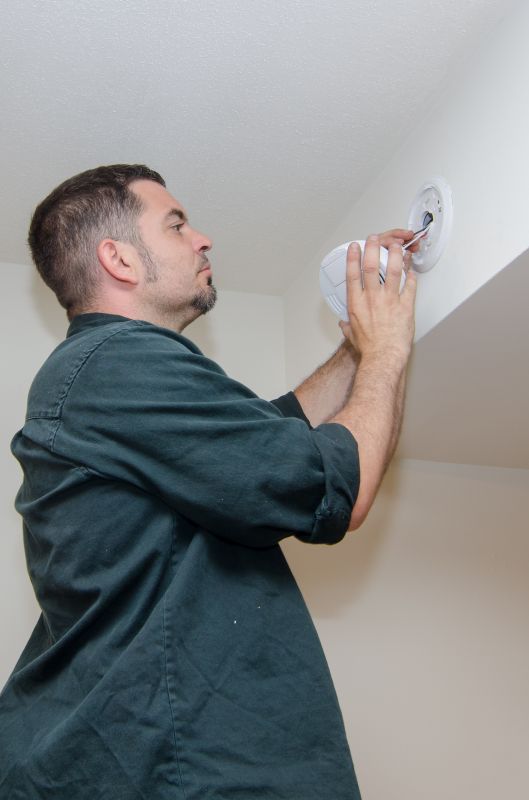
Clearly describe your smoke detector replacement project to help compare local contractors, define scope, verify experience, and set expectations in writing.
- Verify that the contractor has experience with smoke detector replacement projects. Ensure the scope of work is clearly defined and documented in writing before work begins.
- Compare multiple local contractors to assess their qualifications and approach to smoke detector replacement. Look for providers who follow proper installation procedures and safety standards.
- Check that the contractor can provide references or examples of similar completed projects upon request. Confirm that the scope, materials, and responsibilities are detailed in a written agreement.
- Assess the contractor’s ability to explain the replacement process and answer questions about the work involved. Ensure all expectations and responsibilities are outlined clearly in the contract.
- Look for service providers who can help define the scope of work based on your specific needs and existing system. Make sure the scope of work is agreed upon in writing before the project begins.
Compare local contractors’ experience and clarify scope to ensure expectations are set in writing.
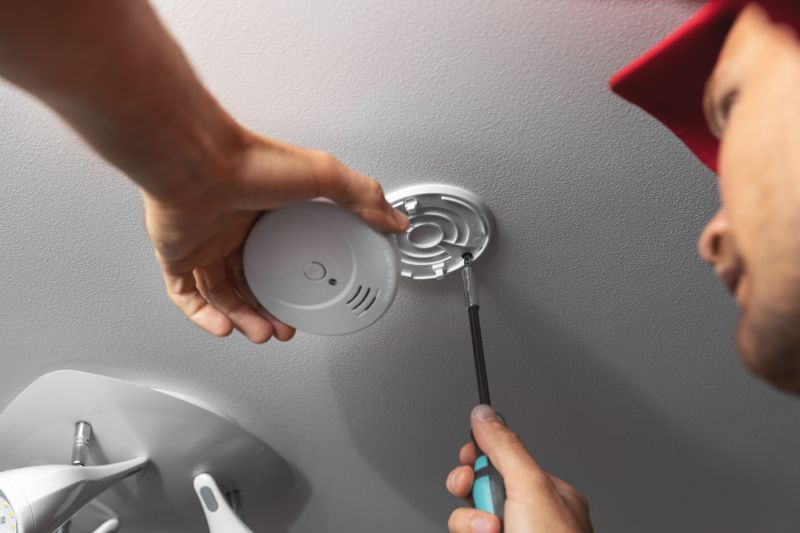
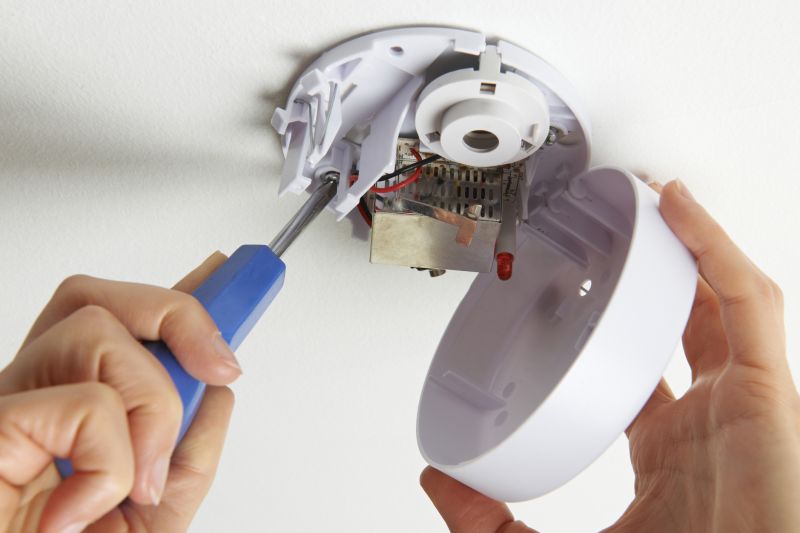
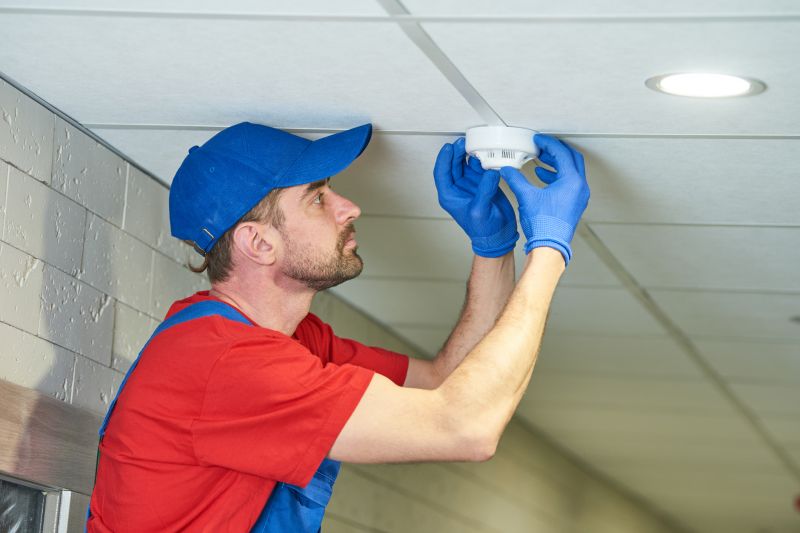
This scope builder helps you compare local contractors for smoke detector replacement by standardizing scope, experience verification, and written expectations.
- Define scope of work - specify whether the replacement includes testing, wiring, or additional safety features.
- Verify experience and credentials - ensure service providers have relevant experience with smoke detector installation and replacement.
- Establish detailed written estimates - request clear documentation outlining the scope, materials, and any additional services included.
- Compare service provider credentials and reviews - evaluate local contractors based on reputation, experience, and customer feedback.
- Set clear expectations for communication and project completion - confirm how updates will be provided and the responsibilities of each party during the process.
When comparing contractors for smoke detector replacement, it is important to consider their experience with similar projects. Service providers who have handled numerous smoke detector replacements are more likely to understand the specific requirements and challenges of the job. Inquire about their background with residential safety device upgrades to ensure they are familiar with different types of detectors and installation procedures. A contractor’s history with comparable work can provide insight into their ability to complete the project effectively and efficiently.
A clear and detailed written scope is essential when evaluating potential contractors. This document should outline exactly what the replacement entails, including the number of detectors to be installed, the type of detectors to be used, and any additional work such as wiring or mounting. A well-defined scope helps prevent misunderstandings and ensures that both parties have aligned expectations. It also serves as a reference point for any questions or clarifications that may arise during the project.
Verification of a contractor’s experience should include checking references or reviews related to similar smoke detector replacement projects. Confirm whether previous clients were satisfied with the quality of work and adherence to scope. Additionally, ask about the contractor’s process for ensuring the detectors are functioning correctly after installation, such as testing procedures or verification methods. This step helps establish confidence in the service provider’s ability to deliver reliable results.
When evaluating options, it is helpful to compare how contractors approach project verification and communication. Look for service providers who emphasize the importance of confirming that detectors are properly installed and tested, and who are willing to provide detailed explanations of their process in writing. Clarify what will be included in their scope of work and how they plan to verify that the replacement meets safety and performance standards. This approach ensures a transparent and well-documented process, making it easier to select a contractor capable of meeting your needs without focusing solely on price.
Ask contractors to provide written scope and details to ensure clarity and consistency in the smoke detector replacement.
- Experience and Qualifications - What experience do local contractors have with smoke detector replacement projects?
- Scope of Work - How do local service providers define the scope of smoke detector replacement services?
- Comparison Criteria - What factors should be used to compare different contractors’ capabilities and services?
- Warranty and Guarantees - Do local contractors provide written warranties or guarantees for their smoke detector replacement work?
- Project Expectations - How do local service providers clarify the scope and process of the replacement in writing?
What should I consider when choosing a contractor for smoke detector replacement? It's important to compare local contractors based on their experience, scope of work, and reputation. Ensuring they clearly define the replacement process and provide written estimates can help set expectations.
How can I verify a contractor's experience with smoke detector replacement? You can ask service providers about their previous projects, request references, or review their work history to assess their familiarity with smoke detector installation and replacement tasks.
Why is it important to define the scope of work in writing? Having a clear, written scope of work helps prevent misunderstandings, ensures all parties agree on the tasks involved, and provides a reference if questions arise during the project.
What questions should I ask a contractor before hiring for smoke detector replacement? Inquire about their experience, the process they follow, how they handle potential issues, and whether they provide a detailed, written estimate outlining the work to be done.
How can I compare different service providers effectively? Review their scope of work, verify their experience, check for any reviews or references, and ensure they provide clear, written communication about the project details.
What are some key points to include in a written agreement with a contractor? The agreement should specify the scope of work, materials to be used, project expectations, and any warranties or guarantees related to the smoke detector replacement.
This page has provided an overview of what to consider when choosing contractors for smoke detector replacement, including how to define the scope of work, verify experience, and set clear expectations in writing. Understanding these key points can help in making informed decisions when comparing options among local service providers. Using the quote form allows for easy access to a variety of local contractors, making it simple to explore your choices and find the right fit for your needs.
By utilizing the quote form, visitors can efficiently compare different local contractors who specialize in smoke detector replacement. This process supports finding service providers that align with your project requirements and expectations. Taking the time to review and compare your options through the form can help ensure your project is handled by qualified local professionals.